Thursday, 12 December 2013

Liturgy School does Christmas

Those who know me know that I love to plan ahead. I like developing calendars and making sure they are accurate and up to date. I like teaching from a curriculum and making scripts for services in advance. All this preparation helps me feel comfortable when I am leading; this way I know that I am ready. Despite all this planning, sometimes things change and so you have to roll with it.

Our liturgy school schedule for December is one of those things that has changed. I didn't know way back in September that the liturgy school class would be such a success; that the students would be so engaged and capable of excellent contributions to our worship. But it has been and they are and for this reason, I had to make sure they made a contribution to all of the Christmas services happening at St Philip's this year.


Certainly, the Christmas Pageant service has the most visible involvement from children and youth on Christmas Eve and this year this will be even more true as the children and youth will make a special musical contribution to the service. In addition, the liturgy school class wrote a prayer last Sunday, which will be used in the Pageant service as well as our other Christmas Services. It will also be found in the Children's Bulletin made especially for children at these services. Here is the prayer they wrote:


Shepherd of Peace,
who shows us the Way. 
Lead us to faith, 
so that we can follow the angels, the shepherds and the magi 
who traveled to welcome the unknown infant Messiah; 
we ask this in your name, 
our God, born in a stable in Bethlehem.


Young people will also contribute as servers at our other Christmas services and some will participate in services with their families as their Christmas worship.

So, despite my original planned curriculum for liturgy school in December, which was to learn more about the music we use in worship, our new plan is to spend time preparing for the Christmas Pageant service, working on readings and music so that we are ready to lead the congregation in worship.

On the final Sunday of Advent, Dec. 22nd, the liturgy school students and the whole Church school will have a special opportunity to walk through an Advent Garden. This is a quiet experience of the coming of Jesus, the light of the world, into all of creation. It originally comes from Waldorf schools, but has been adapted by KAIROS for their Advent resource and so it goes along with our Advent Wreath Lighting Liturgies this year. While this activity is particularly accessible to children, we would also like to invite any parents or other adults who would like to participate in this unique opportunity to join us during Church School that morning. Janet England will lead us through the Advent Garden as she has in the past; I hope that many will be able to experience the quiet wonder of advent in the Advent Garden.

Wednesday, 4 December 2013

Sheep and Goats Everywhere

The Diocesan Arts Ministry, that brought you Godspell and last year's production of Joseph and the Amazing Technicolor Dreamcoat at St Mary's Kerrisdale is at it again. We have some exciting announcements about upcoming productions.


First of all, the Arts Ministry's modern musical take on Charles Dickens' classic, A Christmas Carol, will be performed by children and teens on Dec. 20-21 at St Augustine's Anglican Church in Marpole. In this version, Scrooge is a wealthy developer in who is evicting people in subsidized housing in Marpole in order to build new "affordable housing." The script was written by Phil Colvin and music by David Taylor. Claire Rice, recent director of St Philip's own St Nicholas skit, is directing the show. Tickets are by donation, either in advance or at the door. For information or tickets call (604)-263-9212 or email us. Performances will be Friday, Dec. 20th at 6:30pm and Saturday, Dec. 21st at 2pm and 7pm.


The Arts Ministry will also be holding auditions for two new musicals in the spring of 2014, one of which will be at St Philip's! The Sound of Music is an intergenerational production based at St John the Evangelist, North Vancouver. We are looking for children, teenagers and adults for featured and chorus roles. The Selfish Giant is a production based on the short story by Oscar Wilde with featured roles for children and teenagers, and will be based here at St Philip’s, Dunbar. As the host parish, we will need volunteers who can help with sets, costumes, props, music, publicity and all the other things that go into a successful musical production. This show will be directed and produced by Claire Rice and me.

For the auditions, we want to see and hear you sing and dance - but no experience is necessary! You will be part of a community cast, who will help each other to develop their skills. Auditions will be Jan. 11th at St John's in North Vancouver and Jan. 18th at St Philip's, both days 12-4pm. We will be auditioning for both shows on both days and yes, it is possible for children and teenagers to be involved in both shows! To book an audition, or for more information, please contact the producers at anglican.arts@gmail.com.

Monday, 25 November 2013

Safe Church

Last Saturday, the Diocesan Youth Movement hosted a training session for those who work with young people in the Church on Safe Church practices at St Mary's, Kerrisdale.

The workshop built on our diocesan sexual misconduct training and allowed us to deepen our knowledge and understanding of how to create safe spaces for ministry with children and young people within our ministries. It was led by Marion Little, Canon Pastor of the Diocese of British Columbia. The content was put together by the Canadian Red Cross as the "Prevention in Motion" programme and is used as a training standard by other organizations that work extensively with children and youth in Canada. Marion translated this programme into the theology and language of the Church context in order to make it relevant to our ministry with children and youth.

Throughout the day, we learned about the problem of violence against children and youth. We looked at the definitions and impact of different forms of violence against children and youth, ways to protect them from violence, how to handle disclosures of violence and what we can do to help create safe environments for children and youth. We also looked at factors that can increase the risks of violence to children and youth. These include children and youth in institutions, in a disaster setting, using the internet, sexual minority youth, children and youth with a disability, aboriginal children and youth, marginalized children and youth, and refugee children and youth.


As a Christian community, we are called upon to protect and care for vulnerable people in our society. This vocation includes the cultivation of a safe environment in which children and youth can explore their faith. Since children and youth also participate in the whole church environment, their safety is a concern and responsibility of the whole church community. When I first arrived at St Philip's last year, I worked with Church School coordinator, Erin McDougall and members of staff to create our own set of Guidelines and Practices for Promoting the Safety of Children and Youth.

The Church aims to create a place of sanctuary where people are invited to connect with God, with each other and with the world. If we can create this safe place for children who are the most vulnerable amongst us, then we can create it for everyone. One of the most hopeful parts of this training session, in which we dealt with some very difficult issues was the following statement from the UN World Report on Violence against Children:

"No violence against children is justifiable, and all violence against children is preventable."

Wednesday, 20 November 2013

Liturgy School Students on Personal Giving

This week in liturgy school, our lesson was entitled Personal Giving. Together, we answered questions from our text book about the gifts we have received and how we give to God and the Church. Then each student was given a sheet with these questions to help them consider their own giving in preparation for this Sunday.

This coming Sunday is Stewardship Sunday, when we hope to have collected everyone's annual pledge cards from the Stewardship campaign. We also hold a lunch after the service as a celebration of all that we as a Church community have received from God and rededicated to do God's work in the Church. In this final week of the Stewardship campaign, I thought I would share a record of the class' answers to the aforementioned questions from liturgy school. I hope these thoughts can inspire your own reflections on how you give.

1. What can people give to God and the church besides money?

  • Bread and wine
  • space
  • land
  • loyalty
  • food
  • skills
  • time
  • effort
  • music
  • leadership
  • prayer
  • communion
  • one's soul
2. What are the benefits of giving your time, talent and treasure to God and the church?
  • you make God happy
  • you feel good
  • you do something nice for others
  • you are participating in the community
  • you are acting out your belief
  • you are supporting people who need it
  • you support the Church being around in the world
  • you can use your gifts in the Church for God
  • you build up the community
  • you give people opportunities
  • you have more opportunities
3. Money is also an important gift we can give to God and the church. What reasons do people give for spending money on themselves instead of giving it to God and the Church?
  • It is a waste of money.
  • Why should I bother?
  • I don't know how to give.
  • But I'm poor.
  • I need to pay for my house.
  • I only get $2/week.
  • My parents already give to the Church.
  • Other people my age don't give to the Church.
  • I deserve this money
The questions answered here are not the end of this conversation, just as the stewardship campaign is not the last time we will talk about our use of resources. There are many important questions that we must continue to ask ourselves about our responsibilities for how we receive and use what God has given us. God has provided us with abundant life and many gifts to enjoy therein. Through good stewardship we celebrate these gifts and use them to become gracious and generous, like the God in whose image we are each made.

Tuesday, 12 November 2013

Memory and Forgetfulness

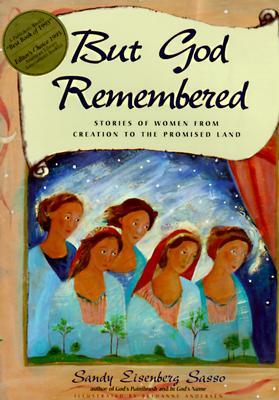
In honour of Remembrance Day, I would like to share a story that comes from a book in our own library by Sandy Eisenberg Sasso called "But God Remembered: Stories of Women from Creation to the Promised Land." 

 The story is about Memory and Forgetfulness:

Before God created man and woman, God wanted to create Memory and Forgetfulness. But the angels protested.
 

The Angel of Song said, "Do not create Forgetfulness. People will forget the songs of their ancestors."
 

The Angel of Stories said, "If you create Forgetfulness, man and woman will forget many good stories."
 

The Angel of Names said, "Forget songs? Forget stories? They will not even remember each other's names."
 

God listened to the complaints of the angels. And God asked the angels what kinds of things they remembered.
 

At first, the angels remembered what it was like before the world was formed. Then as the angels talked about the time before time existed, they recalled moments when they did not always agree.
 

One angel yelled at another, "I remember when your fiery sword burned the hem of my robe!"
 

"And I remember when you knocked me down and tore a hole in my wing," screamed another.
 

As the angels remembered everything that ever happened, their voices grew louder and louder until the heavens thundered.
 

God said, "FORGET IT!"
 

And there was Forgetfulness.
 

All at once the angels forgot why they were angry at each other and their voices became angelic again. And God saw that it was good.
 

God said, "There are some things people will need to forget."
The angels objected. "People will forget what they should remember."
 

God said, "I will remember all the important things. I will plant the seeds of remembrance in the soul of My people."
 

And so it was that over time people forgot many of the songs, stories and names of their ancestors.
 

But God remembered.
 

Remembrance is not a one-sided thing, neither is conflict. God created memory and forgetfulness so that we could have peace and wholeness.

Wednesday, 6 November 2013

Rachel's Stewardship Moment

We are now well into our annual stewardship campaign at St Philip's and each Sunday before the service, we have heard from different members of the congregation about what St Philip's means to them. This week's stewardship moment, done by Rachel Cassie, was so wonderful I wanted to share it as widely as possible.

Here are Rachel's words:

Good morning. My name is Rachel Cassie. As part of stewardship, I was asked to respond to the question “What does St. Philip’s mean to me?”

I had to think quite a bit to answer this question and I’m still not sure I’m able to put words to it.

Of course, there are lots of individual experiences that are powerful memories:  many years of the 5:00 Christmas Eve service…Youth group car washes and sleepovers…Amazing games of hide and seek late at night.  I learned I could actually fit into the lazy susan that was in the corner of the old kitchen.     It made a great hiding place when I was in grade 6.

But that doesn’t really answer the question what St. Philip’s means to me. I think it’s that St. Philip’s is a place where I feel kind of rooted. My parents and my grandmother come here. I’ve been coming here to St. Philip’s since I was only two.

St. Philip’s is about connections, too. You know, through most of my week, other than my family, I’m almost always in the company of other teenagers. Church is a place where there are a lot of people…From all age groups…with whom I have a connection.

St. Philip’s is a quiet, contemplative part of my week. It gives me a space to think – about all kinds of things.

I’ve learned a little about leadership, too through my experience serving. 

Oh!  And  I have many unusual vocabulary words to pull out in a game of Scrabble or Boggle.  Words like:  narthex…or sacristy… or chalice…or alb.

That’s what St. Philip’s means to me.


Thank you to Rachel for granting me permission to share your thoughts with the wider community. I connected very strongly with this as it reflected what I have experienced as one of the greatest gifts of being part of a Church community, and that is being able to build caring relationships with people from many different generations. This was very important to me when I was growing up and it remains one of my favourite things about Church life today.

I am very grateful that St Philip's is a community where young people have this experience and are called to share it.

Thursday, 31 October 2013

The gifts of All Saints and All Souls

This week on the liturgical calendar, we celebrate two important dates in the Christian year: All Saints and All Souls, on November 1st and 2nd respectively.

As we consider God's gifts during our stewardship, I have been thinking about the connection between gifts and All Saints and All Souls.

Certainly, the saints of the Church, both those on our calendar and our own personal saints, those models of God's love and holiness, are examples to us of the many different ways we can use our gifts for the glory of God.

The variety that exists in the communion of saints reflects the breadth of talents and gifts that God has given us. One of my favourite representations of this diversity is the Icon of the dancing saints at St Gregory of Nyssa Episcopal Church in San Francisco. Here is what they say about it:

"Twelve years in the making, it is a 3,000 square foot icon wrapping around the entire church rotunda, showing ninety larger-than life saints; four animals; stars, moons, suns and a twelve-foot dancing Christ.


"The saints—ranging from traditional figures like King David, Teresa of Avila and Francis of Assisi to unorthodox and non-Christian people like Malcolm X, Anne Frank, and Rumi—represent musicians, artists, mathematicians, martyrs, scholars, mystics, lovers, prophets and sinners from all times, from many faiths and backgrounds."

For those who want to learn more about this icon as well as see images of these saints, I would recommend spending some time exploring their website.

In addition to being examples to us of the diversity of gifts that God has given, the communion of saints is also a gift to us. This great cloud of witnesses, the surrounds us and supports us, is also the gift of the great family of God. A family of which we too are part. Our Godly Play story of the Great Family, of Abraham and Sarah, reminds us that we too are a part of the great family which has become as numerous as the stars in the sky or the grains of sand in the desert. As we struggle with hopes and doubts and fears in our journey of faith, we are upheld by the communion of saints and their past experiences of these struggles.

All Souls, the Day of the Dead and Halloween are also gifts for our consideration. Halloween is a holiday where we look at both sides of life - the lighthearted and the dark - and celebrate and explore both and their relationship with one another. Our Gospel reading this Sunday, the Beatitudes from Luke's Gospel, also does this. As you listen to or read this passage this week, I invite you to consider both the light and the dark in holiness, sainthood and the gifts that God has given us. What holiness has God called each of us to with these generous gifts?

Wednesday, 30 October 2013

Halloween at St Philip's

This week is Halloween, but we started our celebration early in Church School at St Philip's. Last Sunday we invited the children to wear their costumes to Church and after a special Children's Focus with Marilyn about the saints, the Church School class went on a journey through our labyrinth and met some of the saints along the way. Thank you to Bruce, Sheila and all those who helped prepare, set up and clean up after this special lesson. This was a wonderful opportunity to share the labyrinth with the Church school.


After the service, the Halloween fun continued with our annual Halloween lunch for families. This was a wonderful fellowship opportunity for the Church School and all others who participated. There is nothing quite like sitting down to pizza with Cinderella and a Vampire. Thanks to those who helped with lunch.

For those who live in the Kerrisdale area, see the notice above about the candy giveaway happening on Halloween at St Mary's. Stop by and see Cameron and me as well as other members of our joint youth group and the parish. We will be handing out hot chocolate and candy to our neighbours.

I will leave you with one last picture of everyone in their costumes during Children's Focus with Marilyn. Enjoy!

Monday, 28 October 2013

Offering as Worship

This week in liturgy school, we began our new unit exploring offering and giving as a part of our worship. One of the first things we discussed as a class was how offering our gifts, whether in our liturgy or elsewhere, is in and of itself an act of worshiping God.

Worship is an expression of our faith and our relationship with God. The way we choose to worship expresses and explores what we believe about God. We believe in a gracious and generous God who gives and loves without condition. We also believe that we are wonderfully made in the image and likeness of that God. Giving generously and without condition is a way of enacting these beliefs and an expression of our faith.


Worship is also a spiritual practice, an exercise that enables us to grow in faith and love. Through the practice of giving as God gives, we grow into our identity as creatures made in the image of God. With God's help, we are empowered to become like Christ, fulfilling the purpose for which we were marked in baptism.

Worship originates in our relationship with God, but it cannot be separated from our relationship with our faith community and with the wider reality of the whole of God's world. Gifts are not only given, but received and so in our practice of offering our gifts, we are pulled closer and closer in our relationships with one another. We recognize in the other the image of God and each gift is both a thank-offering for all that we have graciously received from God and a participation in God's own generosity.

Because offering our gifts is an act of worship itself, it is also an integral part of our liturgical life. The Eucharist is a celebration of Christ's own self-gift. We receive the Body of Christ in order that we might become Christ's Body, the Church, broken for the world and we pray that we might offer our own souls and bodies to be a living sacrifice, a gift of love. This is a gift we offer over and over by which we offer praise and worship to God.

Wednesday, 23 October 2013

Take a Bite Out of Winter

Cooperation in ministry is one of the ideas upon which Constellation Ministry is being built. This cooperation was certainly present between the parishes of the Granville/Point Grey deanery this past weekend at the Take a Bite Out of Winter event hosted by St Faith's Anglican Church and in which youth from 5 Constellation parishes participated.


Part of Vancouver's Homelessness Action Week, this event included a hot meal and distribution of warm clothing, sleeping bags and other necessities for winter to vulnerable members of the community. It was also an opportunity for fellowship, hospitality and service for both clients and volunteers.

This was the first Constellation event to include an opportunity for outreach and service in the community and it was a hit amongst the young people who participated. We hope to continue this pattern in the future by volunteering at the monthly Community Meal hosted by St Augustine's parish in Marpole.


On a related note: at St Philip's, Sophie McKenzie who participated in the event and has a passion for outreach has agreed to join the Outreach Committee. This is a wonderful opportunity for furthering the partnership between outreach and youth and family ministry at St Philip's. She will be a capable new addition to this committee.

Friday, 18 October 2013

Another Thanksgiving, not just another Fall Conference

Over Thanksgiving in Abbotsford this year, young people from St Philip's and across the province joined the BC and Yukon Anglican Youth Movement at their annual Fall Conference. This year included many of the elements that have made past conferences such a success including a great theme speaker, engaging worship, work projects in the community, executive council elections, a dance and the AGM.

Picking up garbage in parks in Abbotsford at Fall Conference

This year was extra special though as Saturday night the delegates attended a gala in celebration of the 100th anniversary of organizational youth ministry in BC. The delegates were joined by Alumni from BCYAYM, and the AYM and AYPA which preceded it. Together they enjoyed a Thanksgiving dinner and a programme of entertainment and speeches from past and present members of the Youth Movement in BC.

Another new tradition seems to be developing around Fall Conference and that is baptism at the Sunday morning worship service. This year, baby Cameron, whose parents met at a Fall Conference years ago, was baptized during the service at St Matthew's, Abbotsford where the conference was held. This follows on last year's baptism of Avaya, the daughter of Jon and Melissa. Jon is currently the adult lay representative to BCYAYM Council and both he and Melissa have been involved with the organization for many years. These baptisms have added a wonderful opportunity for celebration to our Sunday morning worship.

Worshiping with the congregation of St Matthew's Abbotsford.

Also at this year's conference, Evie Byrne, a member of St Mary's Kerrisdale and our joint youth group, was one of four new members elected to BCYAYM council. The council gathers several times throughout the year to plan and promote the three annual BCYAYM gatherings: Fall Conference, Winter Retreat and Young Sojourners. Congratulations to Evie!

If you would like to see more photos from Fall Conference and keep track of news from BCYAYM, visit their facebook page.

Thursday, 17 October 2013

How to be good stewards of our volunteers

This week at Church Committee, we had a very engaging and though-provoking conversation about volunteerism in the Church. Over the past few months, certain ministries and long-standing events have struggled to find some key volunteers. At the same time, there are a great number of volunteers involved at St Philip's every week. As a group, we wondered why this was the case.

As a part of our Stewardship campaign, we often speak of people giving gifts of time, talent and treasure. The one we take the most time to quantify, however, is how we give treasure and how important these contributions are to the continuing life of St Philip's.

In our discussion at Church Committee, we wondered about how we could quantify the gifts of time and talent that are equally integral to parish life. How many people contribute time and talent to each Sunday service? How many hours of work are put in each week? How can we ask people to pledge their time and talent as well as their treasure?


Volunteers selling donuts at the rummage sale are engaged in ministry.
Volunteers are a very important part of life at St Philip's and we also discussed ways that we can commission, honour and thank people for their ministry in the parish. Whether you are volunteering in the office, preparing the Church for worship or participating in the Street Ministry, all of these things are a part of our common ministry. As the marks of mission remind us, we are called by God to do many different things and in all of these things we are being the Church in the world. How can we as a parish celebrate all these gifts as a part of our offering? In every celebration of the Eucharist, we gather offerings of many kinds - money, bread, wine and as we pray, our souls and bodies as well. We give thanks for all of these gifts and we dedicate them to God. So how can we as a parish ensure that we are being good stewards of all these gifts?

Over the next few weeks, as we prayerfully discern how God is calling each of us to use our gifts for ministry, I would ask you to consider not only pledging gifts of money, but also gifts of time and talent which are vital to Church life. As Church Committee, we hope to do more to share how important these gifts are and celebrate those who give so generously as a response to God's call to be good stewards of all we have been given.

Sunday, 13 October 2013

I am thankful for the liturgical year making connections easy.

Last Sunday at St Philip's we had the opportunity to celebrate God's creation. We blessed our pets and all that they bring to our lives and also took time to learn about and reflect on the place of water in our faith and in our lives.


This Sunday, in that amazing way that the liturgical calendar works, we will be celebrating Thanksgiving and starting our annual Stewardship campaign. Simultaneously, young people from our parish and across the province will be gathering in Abbotsford for the annual BCYAYM Fall Conference which this year will coincidentally be exploring eco-theology and our connection to God's creation. One of the things that connects all these celebrations is the opportunity to reflect on and give thanks for God's gifts to us.

Harvest Thanksgiving in Canada comes from the Church's annual celebration of the gifts that we receive from God in creation that sustain our lives. It is a time to recognize that it is not through our own fabulousness and skill and hard work that we are here - it is thanks to God who placed each of us in the midst of this huge thing called creation and called it good. Food and water are two of the most basic and necessary gifts for which we give thanks in this celebration, but as we begin our annual stewardship campaign we are asked to consider all the gifts that we have received and how we in turn are called to give.

Gifts and giving will be the theme of the next series of weekly reflections. As we move from Thanksgiving to Advent and Christmas and through our stewardship campaign, there are many different questions we can ask together about gifts in the context of our faith. For this week, how about a traditional Thanksgiving question:

What are you thankful for?


Wednesday, 9 October 2013

Malala Yousafzai and the UN International Day of the Girl Child

This Friday, October 11 is the second annual observance of the International Day of the Girl Child. This year's theme is Innovation in Girls' Education. Events celebrating girls and exploring the unique challenges that they face are happening at the UN. There are also opportunities being provided for girls themselves to gather and connect with one another on these issues as well as speak and be heard by those who do the work of the UN from various member states. 

Education activist and Nobel Peace Prize Nominee Malala Yousafzai, a 16 year old girl from Pakistan was in New York this week and appeared on the Daily Show with Jon Stewart. You can watch the full interview online. If you don't like being inspired, then this video isn't for you. Only a year ago, just before the first celebration of the International Day of the Girl Child, Malala was shot by members of the Taliban because of her advocacy for girls education. This year on July 12th, her 16th birthday, the UN celebrated Malala Day where she gave her first public speech since the attack to the General Council of the UN. Her new book "I am Malala" speaks about her experiences living in Swat Valley in Pakistan and her work to promote education, especially for girls. 

I can't speak more powerfully about the importance of universal education than Malala can - so it's best to just watch the video. As someone who is lucky enough to work with and for young people in the Church, hearing Malala speak reminds me why it is important. There are many voices like Malala's that need to be heard in our faith communities. I hope to help make this a reality. Just as importantly, they need the opportunity to hear and connect with one another.

This year, a young person from one of the Constellation parishes will be traveling with me as a delegate from IAWN in Canada (International Anglican Women's Network) to the UN Commission on the Status of Women in March, 2014. Achieving universal primary education is one of the Millennium Development Goals which the UN set out to achieve by 2015. The 58th UN Commission on the Status of Women will review the challenges and achievements in the implementation of the MDGs for women and girls. We will be holding a number of events leading up to this trip to raise awareness about the involvement of the Anglican Church in this type of advocacy and gender justice work as well as raise the money needed to send delegates to New York - a cost which at present is the responsibility of delegates themselves. Please consider how you can support this side of the mission of the Church.

Tuesday, 8 October 2013

Stronger Together for the Love of the World

From Sept. 22-25th, I was away in Arnprior, ON with our Diocesan Youth Coordinator, Phil Colvin, at a gathering of Anglican and Lutheran Youth Ministers from across Canada. The gathering included mostly regional, diocesan (or in the case of Lutherans synodical) youth coordinators, but I was invited to help plan and lead worship along with Ottawa youth worker and musician, Zack Ingles.

The event was held at Galilee Retreat Centre on the shores of the Ottawa river, a beautiful site all year, but especially stunning in the midst of the fall colours in the Ottawa Valley.


The gathering offered several different opportunities for participants that supported their work as youth ministers. 

Temporary Community

I am an ENFJ and so surprise, surprise, I value relationships and community very highly (and I like a systematic way to explain how it works). Last spring at Ask & Imagine I was introduced to a valuable tool in the 8 characteristics of community (which I am now using everywhere, all the time, because when I like something I use it a lot - like Myers-Briggs, see above).

The characteristics of community on signs drawn (I believe) by Jenny Salisbury.


One of the things that impresses me most about the gatherings of youth leaders (or youth leaders at youth conferences) that I have been to is how well they are able to begin to build supportive relationships by creating temporary community. Many of these relationships are friendships, though more importantly given the purposes of the gatherings, there are professional relationships and working partnerships being formed which in many cases translate into the creation of new projects, sharing of ideas and support in encountering the challenges of this type of ministry. 

In the case of Stronger Together, I know that the formation of this temporary community does not happen by accident. Attention is paid by those organizing the gathering to build community through games, activities, social time, story-telling, shared work and common worship. In the case of each of these things, opportunities arise to build, even if it is temporarily, these 8 characteristics of community. 

Retreat and Recharge

Stronger Together has intentionally been held in locations that are in the midst of the splendour of God's Creation such as Galilee Retreat Centre. These locations are away from the usual patterns of work and ministry for participants giving them a chance to step back and reflect. The time away is also an opportunity to recharge - whether one chooses to do that by socializing or sleeping or reading.

Nightly social time after worship with refreshments generously provided by the Diocese of Ottawa


Sharing Successes and Challenges

The format of this year's Stronger Together involved short TED talks about a variety of youth ministry projects happening across the country. As presenters from amongst the group of participants shared their stories, others were asked to think about how what they heard could connect to their own ministry context. What could we glean from these many stories? How can we translate these experiences into wisdom that will help us do ministry in different contexts? In addition to sharing these stories of success, many presenters also offered insights into the challenges they have encountered in these ministries and the areas in which they still seek to grow inviting other participants to offer advice or help make connections that might allow these projects to flourish in new ways. 


Adventures in Trailblazing

This year's Stronger Together crew also had the opportunity to beta test a new online education programme for those who work with young people in the Church called Trailblazing. In smaller groups, we ran through the registration process as well as one of the available content modules and had the opportunity to provide feedback on both the content and delivery methods of the programme. Trailblazing is the brain child of several of the National Youth Initiatives staff and content modules are being created on a wide variety of topics by youth ministry experts from across the country. It addresses a current need for training opportunities for those doing youth ministry. Trailblazing is designed to meet a variety of different educational needs - from volunteers who have been working with young people for years, but haven't been provided with any theological training to clergy whose seminary education hasn't taught them about the specific needs and context of ministry with young people. 

I am very excited about the potential for growth in youth ministry that I believe trailblazing will help promote in the whole Church. There are already plans to develop dozens of different modules drawing on the wealth of knowledge and experience in youth ministry that already exists within the Church. Modules will range from an introduction to theology to more specific topics such as looking at music or film with young people within the context of their faith. It is expected that yearly subscriptions to the first group of modules will be available for individuals, parishes or dioceses to purchase in the new year with new modules coming out as they are written.

Perhaps most importantly, the Church's support of this new programme recognizes youth ministry as a valuable part of the life of the Church which can be enhanced and promoted by training and education. These development opportunities for volunteers and professionals are one more opportunity to share best practices and acknowledge the specific challenges of ministry with young people. 

Together (again) for the Love of the World

Following closely on the heels of this summer's Joint Assembly of the Anglican Church of Canada and the Evangelical Lutheran Church in Canada, Stronger Together provided yet another opportunity for members of these Churches to explore what it looks like to be in full communion with one another. We are learning one another's acronyms and Church polity as well as hearing about an increasing amount of combined ministry happening across the country. We heard about large scale cooperation on things like the National Youth Project and CLAY (Canadian Lutheran Anglican Youth Gathering) as well as Anglican and Lutheran congregations doing ministry together at the local level. Through these actions, we are living out our full communion relationship in youth ministry. 

That was Stronger Together this year. Of course there are many specific conversations and new ideas as well, but it was these underlying opportunities that make this kind of gathering worth investing in for the future of youth ministry. 

Final Note

I know I didn't really talk about the worship in this post - this is because I spoke about it in an earlier entry on worshiping in creation. I should just say that I was honoured to be able to lead this group of people in worship. It is pretty much a liturgist dream gig. One little anecdote from that experience really sums up my feelings about this gathering. 

On the final morning we had a sending Eucharist before heading home. As a part of the service, I was supposed to lead a number of musical elements, but after three days of completely indulging my extrovert tendencies instead of doing things like sleeping or not talking, I woke up with almost no voice. After I shared this with the group at the beginning of the service, a number of people stepped up and read or sang or drummed for parts of the service which I had intended to lead. This was a really important illustration for me of how we really are in this ministry together. The group gathered in Arnprior was full of those people who I know I can turn to for professional support. The nature of youth ministry right now is such that one can at times feel isolated in one's own work, but more and more we have experiences like this of support and collegiality and they are changing what it's like to do this ministry for the better.   

This bowl with sand, water and candles served as the focal point of our worship for several services.

Sunday, 6 October 2013

Blessing Creation

Today is St Philip's yearly Pet Blessing service. In the past, this service has included a version of one of the stories of creation from the Book of Genesis in the Bible. This is because we bless our pets as members of God's creation with whom we interact on a daily basis. It is also our way of celebrating St Francis of Assisi whose love for God was expressed through a deep love for God's creation. With this service we bring to a close our spotlight on creation for the season.

This year we will once again hear a reading about creation, but this time from a different section in Genesis. In that section is the following verse:


"A river flows out of Eden to water the garden, and from there it divides and becomes four branches." (Genesis 2:10)

As a part of our service this year, we will be using information and prayers provided for the "Right to Water" National Youth Project. The National Youth Project is a joint initiative of the Anglican Church of Canada and the Evangelical Lutheran Church in Canada who are full communion partners. For this reason, at our combined national gathering this summer, Joint Assembly, we used these same resources to conduct a youth-led prayer service on Parliament Hill in Ottawa called Fill the Hill.


Water is important to the life of all creation. The Right to Water Campaign explores the challenges that many face to access safe, clean water, especially in indigenous communities in Canada. Through the Right to Water Campaign young people from Churches from across the country will learn about this issue and work to raise awareness, build relationships with indigenous communities and advocate for change so that all people have access to the water they need to live.


One of the prayers we will include in our service on Sunday will be the Prayer in four directions that was done on Parliament Hill. These prayers are common in indigenous communities and as we can see from the verse above, this is a theme also common to the Biblical tradition.


Life and water are intimately connected, as we pray and work to renew and sustain the life of the earth, we remember this connection.

Wednesday, 2 October 2013

Worshipping in Creation

It seems easy to reflect on our connection to creation when you have the chance to visit a place like the Galilee Centre in Arnprior as I did last week. In fact, after visiting the site with other members of the planning team in July, my co-worship leader and I decided that we would do all the worship outside in different spots at the Centre.

Sunday evening we went down to the beach just before the sun set to arrange logs on the beach for people to sit on during worship. Even before sundown, the strong wind off the water lowered the temperature outside by about 5 degrees and so we set off to find another spot where we might have some luck lighting candles and playing instruments without losing fingers to frostbite. We found a sheltered clearing nearby around a fallen tree and built a small impromptu shelter where we could light the candles (an integral part of our opening worship). Even in this clearing though, it was cold. Around 7 degrees while the sun was still up and we were sheltered from the wind. Very different from the 30 degrees the week we had made our visit.

We decided to tough it out for our opening worship and so in the dark, windy cold, about 20 people gathered for worship lit only by candles and (rapidly dying) cellphones. We sang and heard scripture and prayed and we even managed to light some of the candles. I was convinced that this would be the coldest, it couldn't get any worse. Tomorrow morning our worship on the beach would at least be in the sun and the wind would have died down. 


Well at 7:30am, I checked the temperature outside on my phone and it read 5 degrees: feels like 1...I decided that I should go outside to check just in case the weather network wasn't 100% accurate. It turns out they were (or it was colder). At the last minute we moved worship inside for the day - both morning and evening we worshiped in the front living room with a view of the great outdoors.

We did eventually make it outside for both services the following day because we were using the outdoor labyrinth. The temperature was about 12 degrees and it was bright and sunny and I am certainly glad we did. That morning labyrinth walk was a spectacular experience of prayer set in creation.
Overall, the experience of planning and leading worship outdoors at Stronger Together was a reminder of both how inspiring and how unpredictable and beyond our control creation is. Our decisions, in this case around prayer and spirituality are directly linked to the life of creation. I am grateful for the opportunity to be reminded of this once again.


Wednesday, 18 September 2013

What do Truth and Reconciliation have to do with Creation?

At Tuesday's All Nations Canoe Journey, in one of the smaller canoes in our flotilla, the last of seven, I saw a familiar face. David Suzuki, scientist, broadcaster and environmental activist, sat in a canoe and waited along with the rest of our group to be welcomed ashore.

When our group was given a chance to speak, he was asked to say a few words. He spoke of the sacrifices that First Nations people have made to protect the land and their struggles to be included in conversations around development and resource extraction. He called us to learn from their example and join them in their work to protect the environment that sustains us.

He was not alone in this call as many of those who spoke called for more open and inclusive conversations to take place when it comes to development and resource extraction. These calls reflect the 5th Mark of Mission: To strive to safeguard the integrity of creation and renew and sustain the life of the earth. The work of the Truth and Reconciliation Commission, while it is focused on the impact of Indian Residential Schools includes moving forward together towards right relationships of justice and respect between Nations, communities, individuals, but also with creation.

At this National Event, we listen to the stories of those who have been silenced as a first step of moving towards healing. Likewise, we must take the time to stop and listen to the voice of creation - through which our Creator speaks to us.

As a part of our apology for our complicity in the harm that was done through Residential Schools, the Anglican Church of Canada has made a commitment to listen to the stories of as many survivors of residential schools as possible. The truth of their experiences, which before was hidden, must be acknowledged. There are many ways that we can be part of this process of listening and education - whether it is in person, through written accounts or through other media that bring these stories into the light. First of all, we need to open our hearts to hear and be moved and even be broken so that out of all this suffering may come healing and this life that we share may be renewed.

Strong Emotions Come in Waves

This week's Truth and Reconciliation Commission National Event is now underway here in Vancouver. The All Nations Canoe Journey, from Vanier Park to False Creek, took place on Tuesday. Seven flotillas of boats made the trip down false creek, all in all hundreds of paddlers took part in the journey. The first flotilla included dignitaries from the Truth and Reconciliation Commission as well as elders and chiefs of the Squamish, Musqueam and Tsleil-Waututh Nations on whose traditional, ancestral and unceded territory sits the City of Vancouver.


Each flotilla in turn asked the permission of these Nations to come ashore in order to meet and do the work of reconciliation. The flotillas were grouped by geographic area and began with those coming from the furthest away. Amongst those traveling the farthest were international indigenous guests from the United States, Mexico and Australia. Then followed other First Nations from across Canada and British Colombia. Along the shore were groups of people - many of them school children - cheering and showing their support for those making the journey.

Speakers from the canoes shared greetings, songs, hopes, fears, experiences and what they were looking for from this week's events. Many survivors spoke of the impact of Indian Residential Schools on their lives and the widespread harm it has caused individuals, families and communities. Many also spoke of the courage, determination and strength that enabled them to survive and to preserve and rebuild families and cultures in spite of these harmful policies. People of all ages, children, youth, adults and elders were all represented amongst the voices from the water and many raised passionate and eloquent calls for justice and healing for First Nations, Métis and Inuit people in Canada. In particular, strong calls were made to protect the land from irresponsible resource extraction and to find justice for the hundreds of missing and murdered aboriginal women from across Canada.

It was a haunting and stirring moment to be a part of. My heart was filled with many emotions as I listened to the songs and words of the speakers. Someone once told me that strong emotions come in waves, and the metaphor seemed especially appropriate for yesterday's events. I sat with these waves of emotion in a borrowed dragonboat under the flag of the Anglican Church of Canada and while listening many thoughts came to me. I thought about the Gospel which inspires me to work for justice and healing. I thought about my family going back generations who have been settlers and immigrants searching for a home. I thought about my own search for a home that has brought me to this place, but through which I am still connected to the land where I grew up. I thought about the many different people who have found a home here and those who are still without one. I thought about those who have lost their homes and the children who were taken from theirs to residential schools by institutions of which I am a part and from which I have benefited. I thought about what it means to give and to receive hospitality. Then in the midst of all my thoughts and preoccupations, we were welcomed ashore in this place by the peoples who have called this place home for generations to do the work of reconciliation.

For more pictures from this event, check out the Anglican Diocese of New Westminster's facebook page.

Wednesday, 11 September 2013

Creation in Christian Religious Language and Metaphor

Over the next few weeks as we approach our parish celebration of creation with the Blessing of Pets on October 6th, we are exploring the relationship between creation and our faith. This week, we will take a look at how metaphors and images from creation pervade our religious language and imagination and the consequences for our relationship with God and creation.


One of the main sources of this creation based religious language is the Bible which often describes God and our relationship with God in terms of creation. Whether God is described as a pillar of fire and cloud or a mother hen who gathers her chicks under her wings, these metaphors create a connection between the divine and the natural world.

This connection to the world of nature has long enabled us to understand God in terms that were more familiar to our daily experience. In many cases, the human experience is very closely tied to the rhythms of nature. Those who wrote the Bible, used these experiences to explain the relationship between God and God's people so that people could understand them.

When our relationship with nature stops being central to our daily lives, how does this affect our understanding of this religious language and metaphor? How does it affect our relationship with God? Certainly, God (and God's creation) continue to be present in the midst of even concrete jungles. In this setting, new ways of describing God emerge. God's presence can also be described in the language of technology, engineering and human community.


But what about the Biblical creation based religious imagination, which has flourished throughout Christian history - and continues to be close to the daily experience of many people of faith? What significance does it have for those of us who don't have the opportunity to encounter God's creation with the same regularity? Is it possible that these metaphors for our relationship with God can also help us to understand and appreciate God's creation? Perhaps our relationship with God through creation is given new importance by our continued use of this language. It allows us to reach beyond our own daily lives and connect with creation because it is important to our connection with God.

As nations, communities and individuals continue to discern how to live sustainably and in right relationship with nature, these metaphors remind us of what this relationship might look like and why it is worth preserving. Many scientific disciplines endeavor to explore the universe and the life it contains - life which we believe has God at its source. Theology then, sometimes defined as faith seeking understanding, is closely connected with these sciences which seek to understand the created universe - a universe in which God was incarnate and through which human beings have experienced this same God as Creator, Redeemer and Spirit.

What nature based metaphors or language help you understand or come closer to God? How does your relationship with God bring you closer to God's creation?

Alice Lake Camping Trip

There is nothing like the first week of school to catapult us straight from summer relaxation back to our busy routines. This year, youth from St Philip's resisted this abrupt end to summer by joining members of 3 other local youth groups for a last gasp of summer camping trip to Alice Lake Provincial Park near Squamish, a trip that has happened every fall for the past 7 years.

Despite the challenges of trying to light a campfire in a temperate rain forest, the youth and their leaders were able to get a fire going in order to roast marshmallows and make s'mores both Friday and Saturday evenings.

Saturday we set off to hike the Four Lakes Trail, an outing that included many mini adventures. At our first stop, we took a group photo on a fallen tree - another camping trip tradition. We took a break from hiking at the river and some group members decided to try and damn the small section that flowed between the dry part of the river bed and the bank. This decision to manipulate the flow of the river may have been ill-conceived as we discovered when some members of the group (including Caitlin) were nearly trapped on the small island in the middle by a sudden increase in the flow of the river, now widened by the makeshift damn. Luckily, everyone was able to get to the bank by scrambling over a fallen tree. The rest of the hike was somewhat less eventful with stops at some of the four lakes, photo opportunities at throne like trees and a game of Lady Gaga Paparazzi at a bridge along the way. After a delicious lunch, the afternoon was a time for rest and relaxation. Some napped, some explored the forest and some went to the beach to swim or be serenaded by Cameron and his ukelele.

One of the highlights of the trip for me was seeing St Philip's own Naomi Martell in what I can only assume is her natural environment - the boughs of a tree. With squirrel-like skill she climbed and literally hung out in trees nearby the campsite for a good part of the weekend. She was also able to defend her prime location from invasion by Cameron's more bear-like climbing skills. The only disconcerting moment for me came when I first heard Naomi's laugh coming from the darkness overhead - there is nothing quite as ghostly as a mysterious child's laugh coming from above your head at night...in the forest. It was quite reassuring when she turned on her flashlight to reveal her hiding place.

The trip was also a great opportunity to meet youth from other local parishes including those from St Mary's with whom St Philip's will be partnering for youth group and Constellation Ministry events again this year. I am grateful for another successful combined youth group event and I hope that we can enjoy this last bit of summer again next year with these other youth.

For more pictures from our adventure, check out the Constellation Ministry facebook page.

Thursday, 5 September 2013

Where is God's Creation in the City?

Living in a big city and spending much of our time indoors at school and work can create barriers between us and God's creation. Many of the things with which we interact are the invention of the human mind. Buildings, cars, computers, etc. all of these are conceived of and made by many people working together.

So where is God's creation in all this? What relationship do we have with that creation?

Well of course we as human beings are part of God's creation and our ability to invent and build and create is a wonderful reflection of the image of God the Creator that is within each of us. But our lives touch creation in many other ways.

God's creation is impacted by those things we make as humans: buildings and cars and computers. We can make choices about how or whether we use these things that are based on our commitment to the Fifth Mark of Mission: "To strive to safeguard the integrity of creation and renew and sustain the life of the earth." Becoming more informed about the effects of our decisions and making choices that safeguard God's creation is well within our power as communities, families and individuals.

But beyond the distant impact of our decisions, the natural splendor of God's creation still confronts us and finds its way into our world of human inventions: a thunder and lightning storm, the weather in far off places affecting the kind of food that is available to us, our relationships with pets and other animals, the many plants that grow within our city in gardens, parks, along streets and even through the concrete.


Where does God's creation break into your city life? How can you safeguard these parts of creation?

Tuesday, 27 August 2013

Bringing Creation Back to School

So, despite my best intentions to keep blogging during my two months off, clearly that didn't happen. Oh well, apparently I am better at vacation than I thought I would be - there are worse things in life. But, now we are back at it and it seems we go full tilt right away. With this approach, it seems like our time away from ordinary life was just a dream and it can be easy to forget the lessons we may have learned along the way. As we return to work and school and life with the end of summer, here is a little encouragement to remember some of the joys of summer and God's creation.

As many of you have no doubt experienced over the summer, there is a great deal of excitement, splendor and power to encounter in the midst of God's created world.


The Church reminds us of God's call to develop a fruitful relationship with creation. The fifth Mark of Mission calls us "to strive to safeguard the integrity of creation and sustain and renew the life of the earth." Over the next few weeks, leading up to our Pet Blessing Service on Oct. 6th, we will take some time to explore what this means.

In July of this year delegates from across the Anglican Church of Canada gathered in Ottawa for a Joint Assembly of the Anglican and Evangelical Lutheran Churches in Canada. As part of their work, they passed several motions that relate to this Mark of Mission. For example, a new promise was added to the baptismal service: "Will you strive to safeguard the integrity of God's creation, and respect, sustain and renew the life of the earth?"

One of the other aspects of this gathering that touched on our relationship with creation was a prayer event on Parliament Hill on July 6th led by the youth delegates. This event discussed the place of water in our lives, in our faith and in God's creation. It also expressed our commitment to share the gift of water with all those who need it. See the Joint Assembly website for more photos and videos from this event and the whole assembly.


As our summertime experiences of creation come to a close and we return to our usual pattern of life in the city, we can look for ways to bring that closeness with God's creation with us and allow it to shape our lives.

How do you and your family strive to safeguard the integrity of creation and renew and sustain the life of the earth? How can we do this as a Church community?

Wednesday, 5 June 2013

Safeguarding the Creation that Sustains Us

With the warmer weather, many people spend time enjoying the great outdoors. In the Anglican Marks of Mission (5 signs of God's action in the Church and the world) the fifth mark of mission which we are called to carry out is as follows: "To strive to safeguard the integrity of creation and sustain and renew the life of the earth." Here are several ways that you can respond to this call and make faith a part of your outdoor adventures this summer.

Noticing Nature:


Nature is all around us. Even in the city, we are surrounded by plants and animals and life of all kinds. Taking time alone or as a family to notice the life around us can bring us closer to God our creator. Check out this activity on Noticing Nature.


In order to safeguard the integrity of creation, we must take time to understand our place within it and the relationship we have with other created beings. This exercise is about contemplating and deepening that relationship.

It is easy to get caught up in the fast pace and noise of life. We are often not aware of our natural surroundings and environment.

Take a few minutes to explore and notice nature. If you are in a city, go to a garden, forest or park and walk around. Take time to notice the sights, sounds and smells that surround you. If you are in a rural area, go outside and intentionally be aware of your surroundings.

Be silent.

You can sit still and notice nature around you or move slowly through your environment.

Think about one of the other creatures that you see, a plant or an animal, and how their life is connected to yours. How is your life connected to the rocks and soil and water in creation?

Once you have spent at least 15 minutes in creation think about the following questions and what they tell us about the fifth Mark of Mission and our role in safeguarding creation.

How are you connected to Creation?
How are you connected to God as Creator?

Enjoying Creation:
 

Many summer activities involve exploring nature. Camping, hiking, cycling, canoeing or even lying on the beach are ways we enjoy God's creation. When we are out in nature, it is important to consider how our activities affect the life of the rest of creation. To learn more about how to reduce your carbon footprint while on vacation, check out this great blog post from sustainable solution consultants terrapass.

Giving Thanks:


 We are sustained in body and spirit by our relationship with the rest of creation. From our the food we eat to the land on which we make our home, our life depends on the life of the earth. Taking time to give thanks to God for all of creation strengthens our sense of connectedness with the web of all life. Here are several prayers of thanksgiving which you can offer for creation.


We thank you, God, for all the goodness and beauty we encounter. We thank you for new green shoots, the buds, the blossom, the tadpoles in the pond, the clear, crisp sunshine calling the earth back to life. We thank you for this life, this love.
       -
Rebecca Winter


Creator God, today I watched an ant carrying a seed four times its size. You made an amazing world!        - Sue Atkinson

We pray for animals who are suffering because of human cruelty and greed. May such injustice be brought to light. Please be with those who work on behalf of animals.
        -
Rebecca Winter